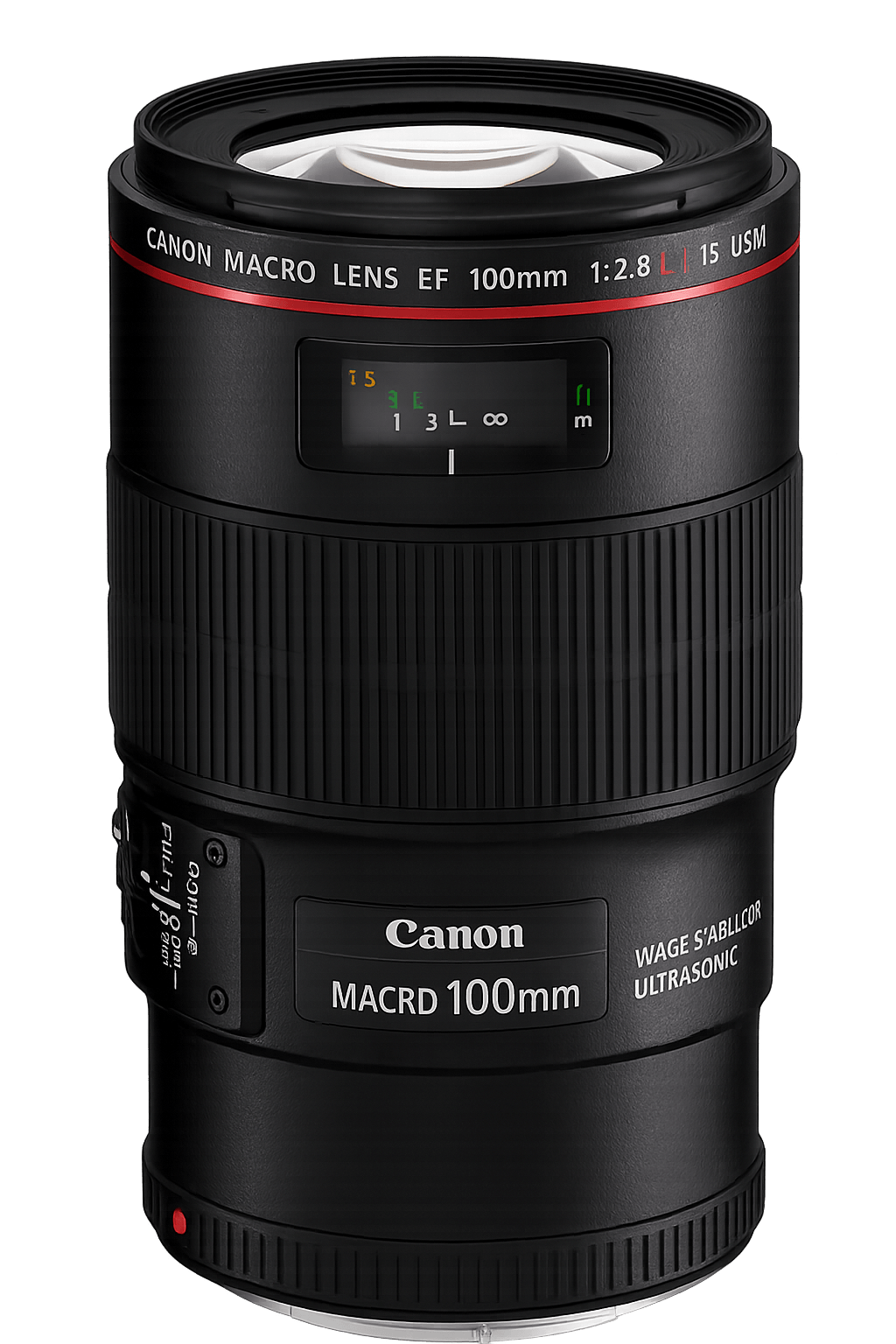
Canon Rf 24mm Macro Lens For Close-up buyers should prioritize measurable performance, real-world handling, and value before making a final decision.
Looking for a versatile lens that excels at both expansive wide-angle shots and intricate close-up details? The Canon RF 24mm f/1.8 Macro IS STM is a compelling option for 2026, especially if your focus is the Canon RF 24mm macro lens for close-up photography. This lens offers a unique blend of a wide 24mm focal length with true 1:1 macro magnification, making it incredibly versatile for a range of subjects.
Key Takeaways
- Discover the Canon RF 24mm macro lens for close-up photography. Perfect for insects and products. See why it's a top pick for 2026.
- focal_length: 24mm
- aperture: f/1.8 – f/22
- mount: Canon RF
Quick Answer
Canon Rf 24mm Macro Lens For Close-up: Canon RF 24mm f/1.8 Macro IS STM: Your Go-To for Close-Up Wonders in 2026: Discover the Canon RF 24mm macro lens for close-up photography. Perfect for insects and products. See why it's a top pick for 2026.
Exceptional Close-Up Performance – Canon Rf 24mm Macro Lens For Close-up
The standout feature of the RF 24mm f/1.8 Macro IS STM is its true macro capability. It allows you to get incredibly close to your subject, capturing stunning detail whether you’re shooting tiny insects, intricate textures, or small product details. The f/1.8 maximum aperture provides excellent low-light performance and allows for beautiful background blur (bokeh), further isolating your subject.
Versatility Beyond Macro
While its macro prowess is undeniable, this lens is far from a one-trick pony. The 24mm focal length is a favorite among landscape photographers, travel bloggers, and anyone who needs a broad field of view. The combination of wide-angle and macro means you can seamlessly transition from capturing a sweeping vista to focusing on a dewdrop on a leaf.
Key Features and Benefits
- True Macro Magnification: Achieve 1:1 magnification for life-size close-ups.
- Bright f/1.8 Aperture: Excellent for low light and creating shallow depth of field.
- Optical Image Stabilization (IS): Helps achieve sharp images handheld, especially crucial for macro work.
- STM Autofocus: Smooth and quiet autofocus suitable for both stills and video.
- Compact and Lightweight: Easy to carry for extended shooting sessions.
Who Should Consider the Canon RF 24mm f/1.8 Macro IS STM?
This lens is ideal for:
- Macro photographers specializing in insects, flowers, and small objects.
- Product photographers needing sharp detail and the ability to get close.
- Travel photographers and vloggers who appreciate a wide field of view and the added macro capability.
- Canon EOS R system users looking for a versatile, high-quality prime lens.
A Note on Limitations
While the Canon RF 24mm f/1.8 Macro IS STM is an outstanding lens, its wide focal length means that achieving extreme background blur with macro subjects can be more challenging compared to longer macro lenses. You’ll need to be mindful of your working distance and aperture choice to maximize bokeh.
Conclusion
For photographers seeking a high-performance, versatile lens that bridges the gap between wide-angle perspectives and the world of macro, the Canon RF 24mm f/1.8 Macro IS STM is a stellar choice for 2026. Its ability to capture intricate details up close, combined with its general-purpose wide-angle capabilities and excellent image quality, makes it a valuable addition to any Canon EOS R camera bag.
Frequently Asked Questions
Is canon rf 24mm macro lens for close-up worth it?
Canon Rf 24mm Macro Lens For Close-up is worth considering when you need dependable performance for your specific workflow and budget. The right pick depends on measurable specs, usability, and long-term value instead of marketing claims alone.
Content Freshness
Last updated: April 12, 2026. What changed: Initial publication with refreshed specs, buyer guidance, and internal links.
Editorial & Affiliate Disclosure
This article may contain affiliate links. We may earn a commission at no extra cost to you. Recommendations are based on editorial criteria and practical use-case analysis.