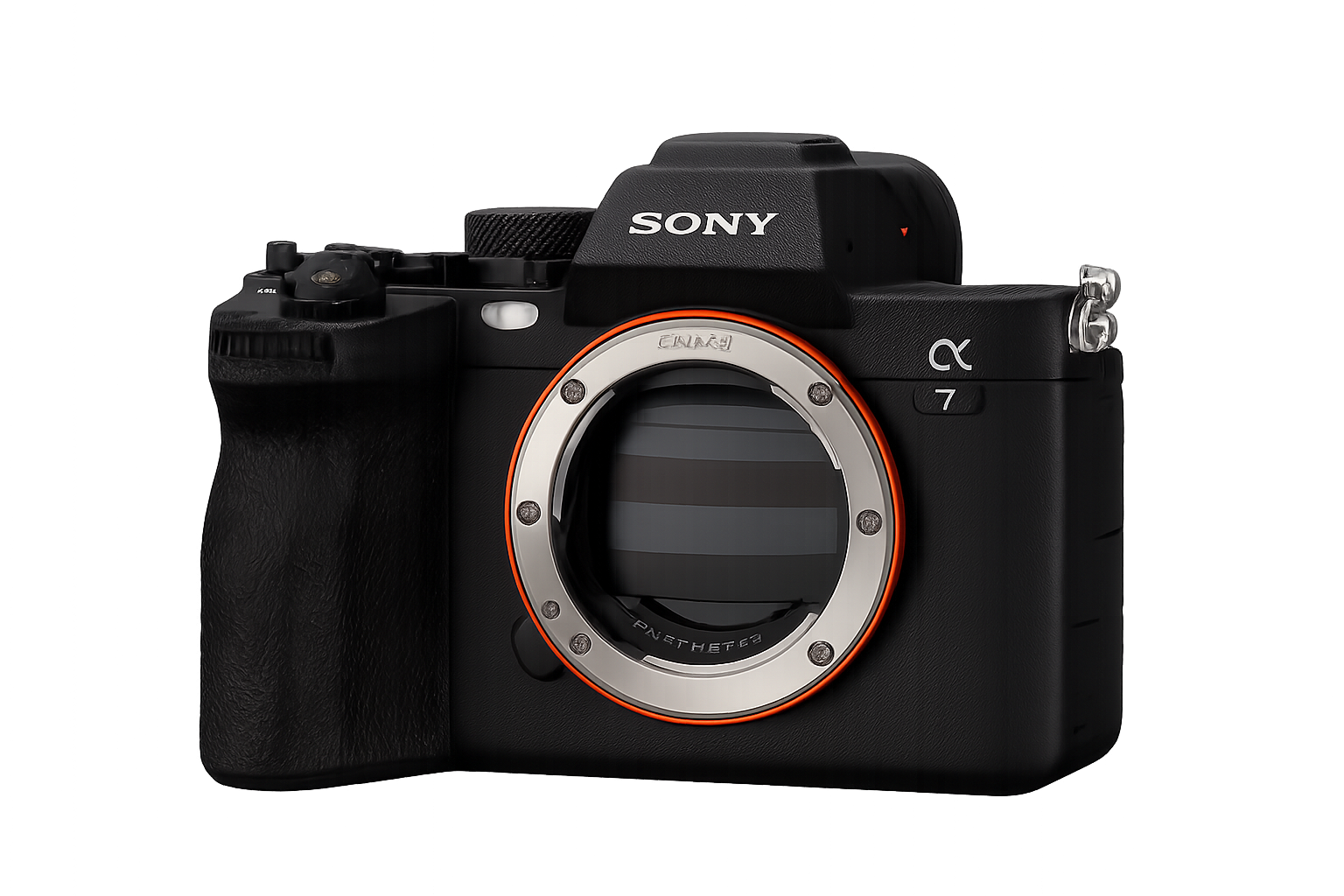
The Sony α7 IV is a versatile full‑frame mirrorless hybrid that excels for both stills and video—33MP sensor, up to 10 fps, 5‑axis IBIS, and 10‑bit 4:2:2 4K capabilities—making it a top choice for content creators and prosumers seeking one camera for everything.
Key considerations before buying
- Primary use: stills, video, or hybrid workflow.
- Budget vs future‑proofing: newer models may offer incremental gains; weigh price drops on the α7 IV against features you actually need.
- Lens ecosystem: Sony E‑mount has broad lens options; plan lens purchases to match your shooting style.
Quick comparison (decision table)
| Attribute | Sony α7 IV | Why it matters |
|---|---|---|
| Sensor | 33MP full‑frame | High resolution for prints and cropping |
| Burst | 10 fps | Good for action and events |
| Stabilization | 5‑axis IBIS (≈5.5 EV) | Handheld low‑light and video stability |
| Video | 4K 60p (Super35); 4K up to 30p full‑width; 10‑bit 4:2:2 | Professional color grading and slow motion |
| Body | Weather‑sealed, articulating screen | Versatile for run‑and‑gun and outdoor use |
Sources:
In‑depth overview
The α7 IV builds on Sony’s proven a7 line with a 33MP BSI CMOS sensor that balances resolution and low‑light performance, making it suitable for portrait, landscape, and commercial work. Its autofocus improvements and interface refinements bring faster, more reliable subject tracking compared with earlier generations. The camera’s 10 fps continuous shooting and robust buffer make it capable for many action scenarios.
For video creators, the α7 IV offers 10‑bit 4:2:2 internal recording, full‑width 4K up to 30p via oversampling from 7K, and 4K/60p in Super35/APS‑C mode—features that deliver cinematic detail and flexible postproduction options. The body includes a 3.0″ fully articulating touchscreen and a high‑resolution EVF, supporting modern vlogging and run‑and‑gun workflows.
Pros, cons, and trade‑offs
- Pros: Hybrid performance, excellent autofocus, strong video specs, and in‑body stabilization for handheld shooting.
- Cons: Larger competitors and newer Sony models have narrowed the gap; if you need the absolute latest sensor tech or specialized video features, consider comparing current releases.
- Trade‑offs: You get a true all‑rounder, but specialist users (e.g., high‑frame‑rate sports shooters or cinema‑grade filmmakers) may prefer more targeted bodies or external recorders.
Recommendations & actionable tips
- Best for: hybrid content creators, wedding photographers, and solo filmmakers who need one reliable camera for both stills and video.
- Lens picks: start with a fast standard zoom (e.g., 24–70mm) and a bright prime for low light and portraits.
- Settings tip: use 10‑bit 4:2:2 for projects that require heavy color grading; enable IBIS + stabilized lenses for maximum handheld sharpness.
Limitations and risks
- Future obsolescence: newer models may offer improved autofocus or dynamic range—factor resale value and upgrade cycles into your purchase decision.
- Cost of ecosystem: lenses and accessories can exceed the body cost; budget accordingly.
If you want, I can draft an SEO‑optimized meta title, meta description, and 5 keyword‑rich headings tailored to your target audience and region.