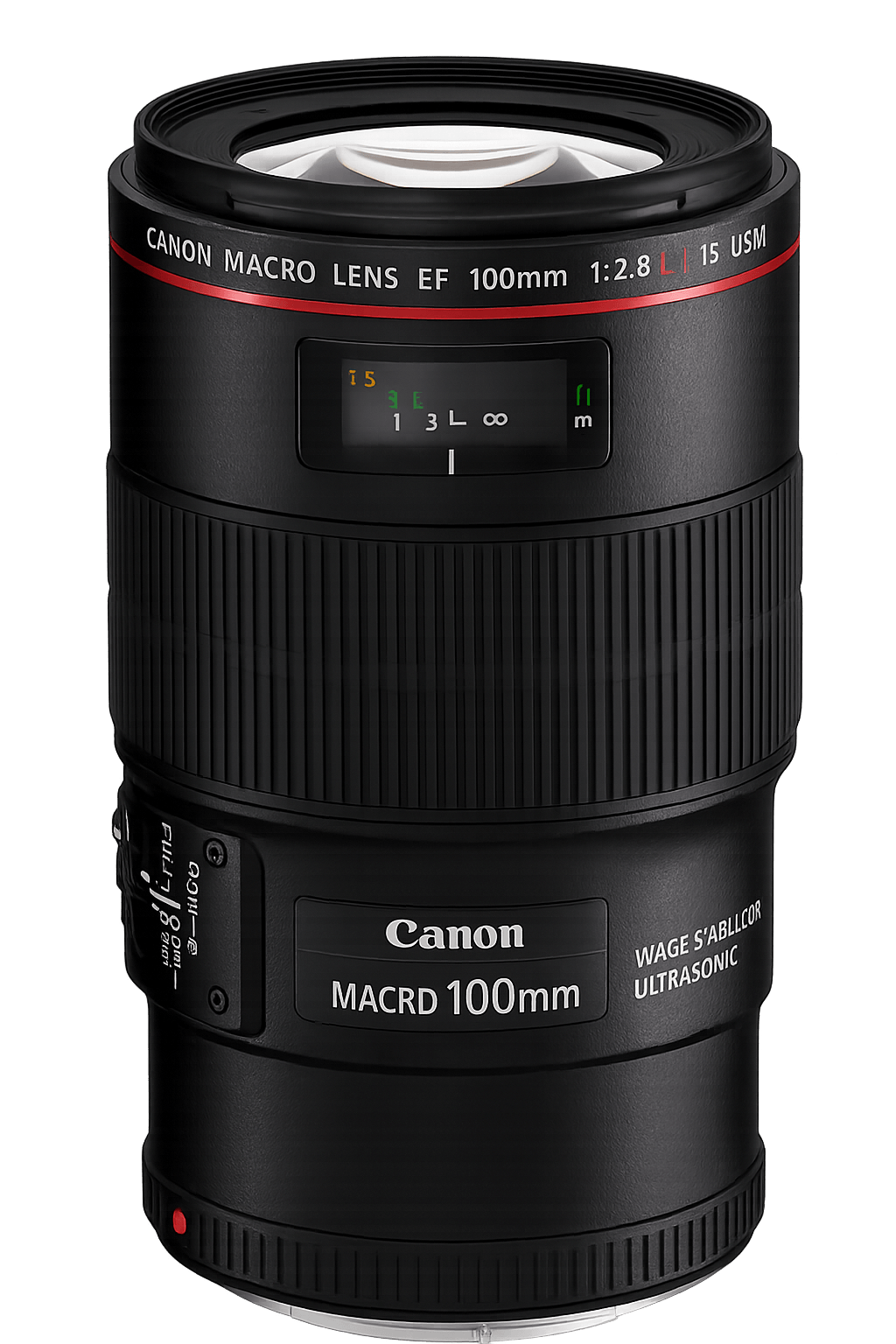
Are you searching for the Canon EF 100mm macro lens for insects? Look no further. This lens is a powerhouse for capturing intricate details, making it ideal for nature photographers, especially those focusing on insects, as well as product and portrait enthusiasts. Its L-series designation signifies top-tier Canon optics, and the 100mm focal length combined with its macro capabilities opens up a world of tiny subjects.
Key Takeaways
- The Canon EF 100mm macro lens for insects offers unparalleled detail for nature and product shots. Discover why it’s a top pick.
- focal_length: 100mm
- aperture: f/2.8 – f/32
- mount: Canon EF
Quick Answer
Canon Ef 100mm Macro Lens For Insects: Canon EF 100mm f/2.8L Macro IS USM Lens Review: The Ultimate Close-Up Tool: The Canon EF 100mm macro lens for insects offers unparalleled detail for nature and product shots. Discover why it’s a top pick.
Unrivaled Detail and Versatility – Canon Ef 100mm Macro Lens For Insects
The true magic of the Canon EF 100mm f/2.8L Macro IS USM lies in its 1:1 magnification ratio. This means you can capture subjects at their actual size, revealing textures, patterns, and details invisible to the naked eye. Whether it’s the delicate wings of a butterfly, the intricate hairs on a bee, or the fine print on a product label, this lens delivers breathtaking sharpness and clarity. Beyond macro, its 100mm focal length on a full-frame camera makes it an excellent short telephoto lens for portraits, offering beautiful bokeh and subject isolation thanks to its f/2.8 aperture.
Key Features and Performance
- 1:1 Magnification: Capture life-size images of your subject.
- Image Stabilization (IS): Hybrid IS compensates for camera shake, crucial for handheld macro shots and general use.
- Ultrasonic Motor (USM): Fast, quiet, and precise autofocus.
- L-Series Quality: Weather-sealed construction and superior optical performance.
- f/2.8 Maximum Aperture: Excellent low-light performance and shallow depth of field.
Is canon ef 100mm macro lens for insects worth it?
Canon’s L-series is renowned for its optical quality, and this macro lens is no exception. It produces sharp images with excellent contrast and color rendition across the frame, even at its widest aperture. Chromatic aberration is well-controlled, ensuring clean, artifact-free images. For canon ef 100mm macro lens for insects, the right choice depends on your budget, workflow, and required features.
Hybrid Image Stabilization
A standout feature is the Hybrid Image Stabilization. It corrects for both angular and shift movements, which is particularly beneficial when shooting at high magnifications where even the slightest shake can ruin a shot. This allows for sharper handheld images at slower shutter speeds than would otherwise be possible.
Who Should Buy This Lens?
This lens is a must-have for:
- Macro Photographers: Especially those interested in insects, flowers, jewelry, or small product details.
- Product Photographers: For capturing fine details in commercial items.
- Portrait Photographers: Who appreciate a sharp, versatile 100mm focal length with beautiful bokeh.
- Nature Enthusiasts: For capturing the often-overlooked small wonders of the natural world.
A Note on Alternatives
While other macro lenses exist, the Canon EF 100mm f/2.8L Macro IS USM stands out for its combination of 1:1 magnification, excellent image stabilization, L-series build, and fast f/2.8 aperture. Cheaper alternatives may lack stabilization or the same level of optical refinement and build quality.
Conclusion
If you’re serious about macro photography or need a versatile, high-quality prime lens for close-up work, the Canon EF 100mm f/2.8L Macro IS USM is an outstanding investment. Its ability to reveal the hidden beauty in the smallest subjects makes it a truly remarkable piece of photographic equipment in 2026.
Content Freshness
Last updated: April 12, 2026. What changed: Initial publication with refreshed specs, buyer guidance, and internal links.
Editorial & Affiliate Disclosure
This article may contain affiliate links. We may earn a commission at no extra cost to you. Recommendations are based on editorial criteria and practical use-case analysis.