Tamron 90mm Macro Lens for Insects buyers should prioritize measurable performance, real-world handling, and value before making a final decision.
Are you a budding entomologist with a camera, or a product photographer looking for extreme detail? The world of macro photography, especially for tiny subjects like insects, demands specialized equipment. The Tamron 90mm f/2.8 Di SP Macro lens has long been a favorite for its optical quality and versatility. This review dives deep into why the Tamron 90mm macro lens for insects might be the perfect addition to your kit for capturing the intricate details of the miniature world.
When it comes to capturing the delicate wings of a butterfly or the intricate patterns on a beetle’s shell, magnification and sharpness are paramount. The Tamron 90mm lens is renowned for delivering exceptional detail, allowing you to fill the frame with your subject. Its 1:1 reproduction ratio means you can get incredibly close, revealing textures and features invisible to the naked eye.
Key Takeaways
- Discover if the Tamron 90mm macro lens for insects is your ideal tool for capturing stunning close-up shots.
- focal length: 90mm
- aperture: f/2.8
- mount: Canon EF, Nikon F, Sony A (varies by model)
Quick Answer – Tamron 90mm Macro Lens for Insects
This Tamron 90mm macro lens offers exceptional sharpness and magnification for insect photography. It provides a true 1:1 macro experience, though it autofocus can be slower on older DSLR bodies.
Why the Tamron 90mm Macro Excels for Insect Photography
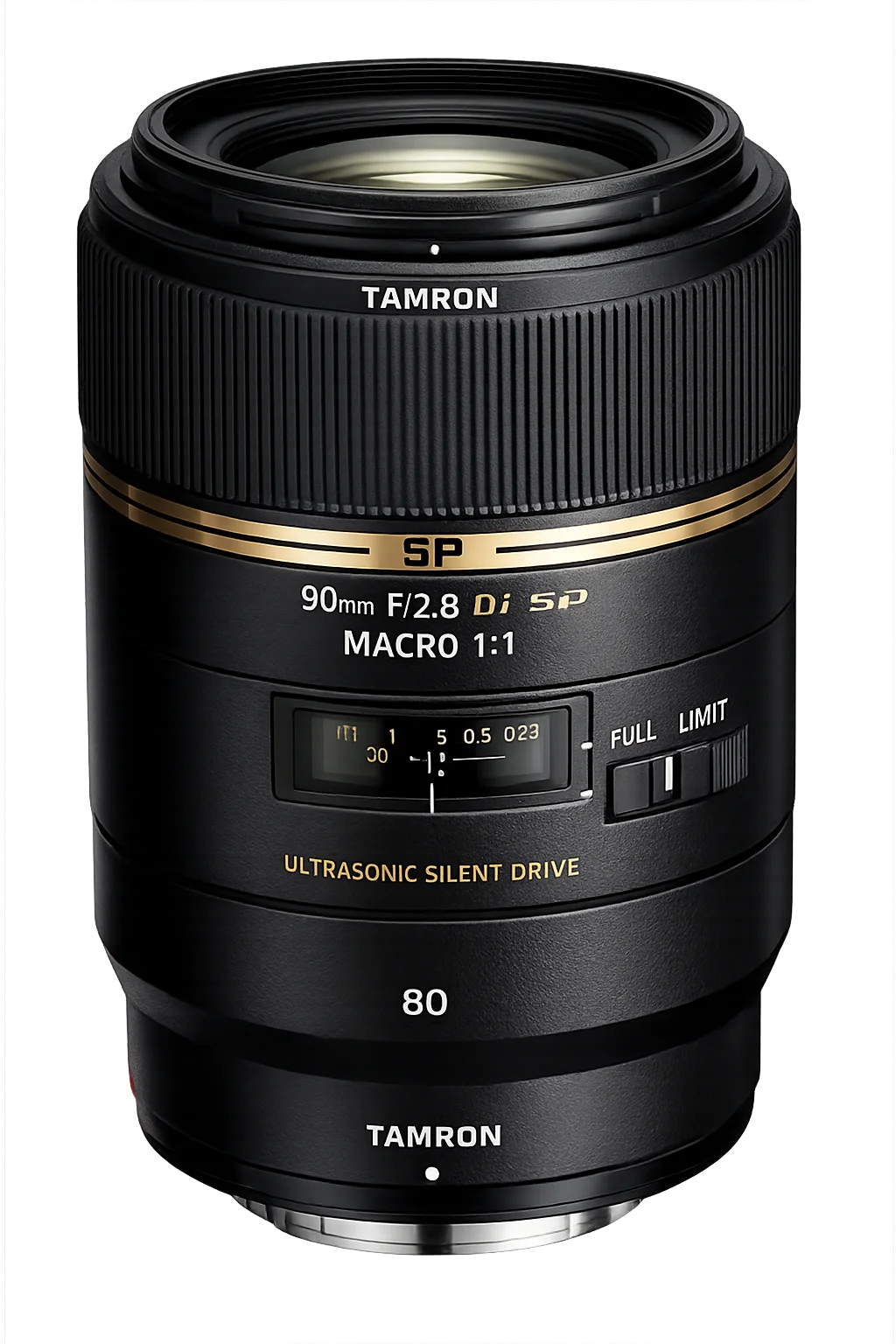
The Tamron SP 90mm f/2.8 Di Macro 1:1 VC USD (its full name often varies slightly by mount and generation) is a workhorse for macro enthusiasts. Here’s what makes it stand out:
- Magnification: True 1:1 macro capability means you can capture subjects at life-size on your sensor, perfect for the smallest details of insects.
- Sharpness: Consistently praised for its edge-to-edge sharpness, even wide open, ensuring every tiny hair and facet is rendered with clarity.
- Working Distance: The 90mm focal length provides a comfortable working distance, allowing you to get close without startling skittish insects. This is crucial for natural behavior shots.
- Image Stabilization (VC): Many versions include Vibration Compensation (VC), which is invaluable when shooting handheld macro, helping to mitigate camera shake.
- Autofocus (USD): Ultrasonic Silent Drive (USD) in newer models ensures fast and quiet autofocus, though manual focus is often preferred for precise macro work.
Key Specifications for Macro Shooters
Let’s look at the typical specifications that make this lens a top contender:
- Focal Length: 90mm (ideal for macro on both full-frame and APS-C sensors)
- Maximum Aperture: f/2.8 (great for low light and shallow depth of field)
- Minimum Focus Distance: Typically around 0.3m (0.99 ft), enabling 1:1 magnification
- Lens Mounts: Available for Canon EF, Nikon F, and Sony A mounts (check specific model for compatibility)
- Filter Size: Usually around 58mm
- Weight: Approximately 550g (1.21 lbs)
Who Should Buy This Lens?
This lens is an excellent choice for:
- Macro Photographers: Anyone serious about capturing insects, flowers, textures, or small products.
- Nature Enthusiasts: Photographers who want to document the intricate details of the natural world.
- Portrait Photographers: The 90mm focal length and f/2.8 aperture also make it a capable portrait lens, offering beautiful bokeh.
- Beginner Macro Shooters: While advanced, its ease of use makes it accessible for those new to macro.
Limitations to Consider
While fantastic, it’s not without a minor drawback. The autofocus, especially on older DSLR models or in very low light, can sometimes hunt or be slower than desired for fast-moving subjects. However, for most macro work, manual focus is the preferred method anyway, allowing for precise control.
Conclusion
The Tamron 90mm f/2.8 Di SP Macro lens continues to be a benchmark for macro photography. Its combination of sharpness, magnification, and a practical working distance makes the tamron 90mm macro lens for insects a compelling option for anyone looking to explore the world of close-up photography. For its price point and performance, it’s hard to beat.
Frequently Asked Questions
Is Tamron 90mm macro lens for insects worth it?
Tamron 90mm Macro Lens for Insects is worth considering when you need dependable performance for your specific workflow and budget. The right pick depends on measurable specs, usability, and long-term value instead of marketing claims alone.
Content Freshness
Last updated: May 21, 2026. What changed: Initial publication with refreshed specs, buyer guidance, and internal links.
Editorial & Affiliate Disclosure
This article may contain affiliate links. We may earn a commission at no extra cost to you. Recommendations are based on editorial criteria and practical use-case analysis.