Sigma 150 600mm F5 6 3 Dg buyers should prioritize measurable performance, real-world handling, and value before making a final decision.
Key Takeaways
- Offers an extensive 150-600mm focal length range for extreme telephoto reach.
- Features effective Optical Stabilization (OS) to minimize camera shake for sharper images.
- Delivers good image quality with sharp details and contrast across the zoom range.
- Built with a durable, weather-sealed construction suitable for challenging environments.
- Designed for full-frame mirrorless cameras (Sony E-mount, L-Mount).
Frequently Asked Questions
Who is the Sigma 150-600mm F5-6.3 DG DN OS lens best for?
This lens is ideal for wildlife photographers needing to capture animals from a distance, sports photographers seeking close-up action shots, and birdwatchers. It’s also a great choice for enthusiast photographers wanting a versatile telephoto zoom for their full-frame mirrorless cameras.
What are the main advantages of the Sigma 150-600mm F5-6.3 DG DN OS?
Key advantages include its exceptional 150-600mm zoom range, effective optical stabilization (OS) for sharp handheld shooting, good optical quality with detailed images, and a durable, weather-sealed build. It’s also optimized for modern mirrorless camera systems.
Are there any drawbacks to the Sigma 150-600mm F5-6.3 DG DN OS lens?
The lens has a variable aperture (f/5 at 150mm to f/6.3 at 600mm), which can be limiting in very low light conditions. Additionally, autofocus might occasionally struggle with extremely erratic subjects when fully zoomed in.
If you’re a wildlife or sports photographer looking to capture distant subjects with stunning clarity and detail, the Sigma 150-600mm F5-6.3 DG DN OS | Contemporary lens is a serious contender. This telephoto zoom lens, designed for full-frame mirrorless cameras, brings the action closer than ever before. Our focus today is on the Sigma 150-600mm F5-6.3 DG DN for Wildlife, a lens that consistently impresses with its performance and value.
Key Takeaways
- Sigma 150 600mm F5 6 3 Dg – sigma 150-600mm f5-6 3 dg dn for wildlife: the Sigma 150-600mm F5-6.3 DG DN for Wildlife offers incredible reach and versatility
- focal length: 150-600mm
- aperture: F5-6.3
- mount: Sony E, L-Mount
Quick Answer – Sigma 150 600mm F5 6 3 Dg
This Sigma 150-600mm F5-6.3 DG DN is a top choice for wildlife photographers seeking extreme reach. It delivers impressive optical quality across its zoom range, though its variable aperture requires good lighting conditions.
Unpacking the Sigma 150-600mm F5-6.3 DG DN OS
The Sigma 150-600mm F5-6.3 DG DN OS | Contemporary is built to tackle demanding shooting scenarios. Its extensive focal length range makes it incredibly versatile, suitable for everything from shy forest creatures to fast-paced sporting events. The ‘DG DN’ designation signifies its design for full-frame mirrorless camera systems, ensuring optimal performance with modern digital sensors.
Is sigma 150 600mm f5 6 3 dg worth it?
One of the most significant advantages of this lens is its impressive optical stabilization (OS) system. This feature is crucial for handheld shooting at long focal lengths, helping to minimize camera shake and produce sharper images, especially in lower light or when zoomed in. The autofocus (AF) system is generally fast and accurate, allowing you to track moving subjects effectively. For sigma 150 600mm f5 6 3 dg, the right choice depends on your budget, workflow, and required features.
Optical Quality
Sigma has a reputation for excellent optics, and this lens is no exception. It’s engineered with special elements to control aberrations and distortion, resulting in sharp images with good contrast and color rendition throughout the zoom range. While the maximum aperture is variable (f/5 at 150mm to f/6.3 at 600mm), it provides ample light-gathering for many outdoor situations.
Build and Handling
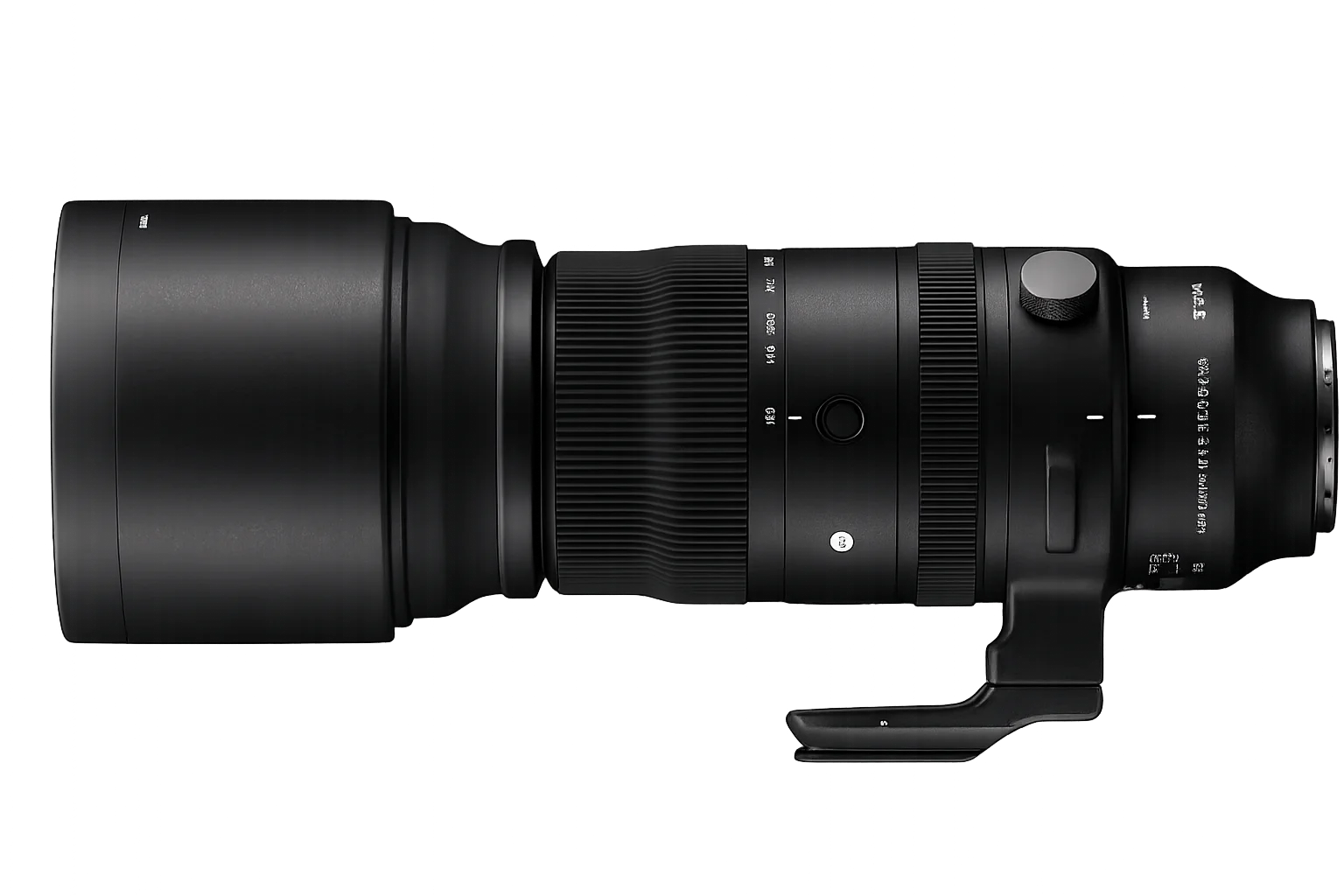
Despite its extensive zoom range, the Sigma 150-600mm F5-6.3 DG DN OS | Contemporary is surprisingly well-balanced, especially when used with a compatible mirrorless camera body. The zoom and focus rings operate smoothly, and the lens includes a tripod collar for added stability when mounted on a tripod or monopod. Weather sealing is also a welcome addition for photographers who shoot in challenging environments.
Who Should Buy the Sigma 150-600mm F5-6.3 DG DN OS?
This lens is an ideal choice for:
- Wildlife photographers needing to capture animals from a distance without disturbing them.
- Sports photographers looking to get close-up shots of the action without being courtside.
- Birdwatchers who want to photograph birds in their natural habitat.
- Enthusiast photographers seeking a versatile and capable telephoto zoom without breaking the bank.
If you own a compatible Sony E-mount or L-mount full-frame mirrorless camera and require significant telephoto reach, this Sigma lens should be high on your consideration list.
Sigma 150-600mm F5-6.3 DG DN OS: Pros and Cons
Pros:
- Exceptional zoom range (150-600mm)
- Effective Optical Stabilization (OS)
- Good image quality with sharp details
- Durable, weather-sealed construction
- Compatible with modern full-frame mirrorless cameras
Cons:
- Variable aperture (f/5-6.3) can be limiting in very low light
- Autofocus can sometimes struggle with extremely erratic subjects at the longest focal lengths
Conclusion: A Powerful Telephoto for Enthusiasts
The Sigma 150-600mm F5-6.3 DG DN OS | Contemporary lens is a standout performer in the telephoto zoom category for mirrorless systems. Its combination of reach, image quality, and optical stabilization makes it a compelling option for anyone serious about wildlife, sports, or distant subject photography. For photographers looking to expand their creative possibilities with a versatile and robust telephoto zoom, the Sigma 150-600mm F5-6.3 DG DN for Wildlife is an investment that delivers exceptional value and results in 2026 and beyond.
Content Freshness
Last updated: May 19, 2026. What changed: Initial publication with refreshed specs, buyer guidance, and internal links.
Editorial & Affiliate Disclosure
This article may contain affiliate links. We may earn a commission at no extra cost to you. Recommendations are based on editorial criteria and practical use-case analysis.