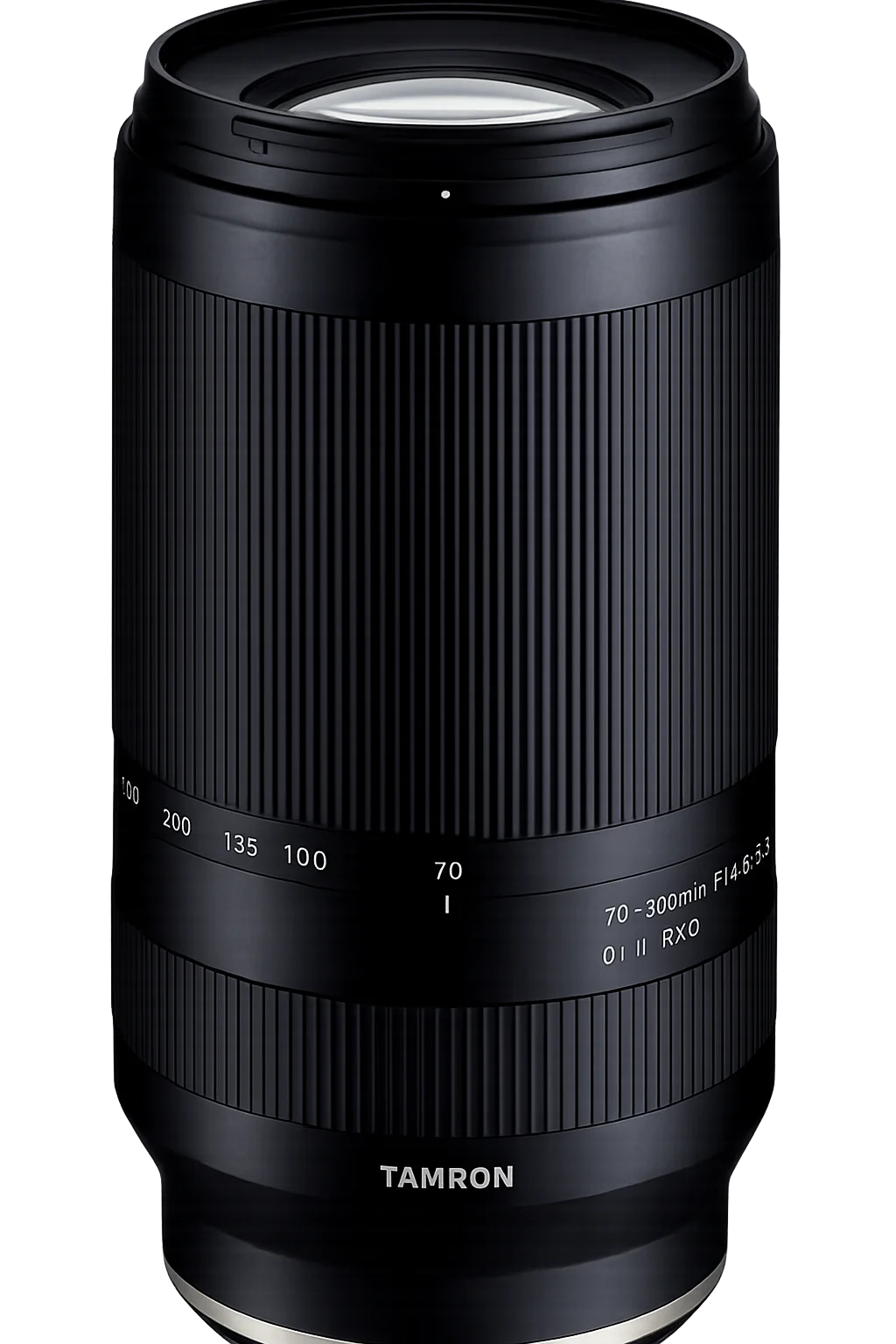
The Tamron 70-300mm F4.5-6.3 Di III RXD is a compelling option for Sony E-mount shooters seeking a lightweight and affordable telephoto zoom. Designed specifically for mirrorless cameras, this lens offers a versatile focal range for everything from portraits to wildlife and sports photography, all in a remarkably compact package. This review dives into its performance, features, and who it’s best suited for in 2026.
The Tamron 70-300mm F4.5-6.3 Di III RXD aims to deliver impressive reach without the bulk often associated with telephoto lenses. Its advanced optical design, combined with Tamron’s renowned RXD (Rapid eXtra-silent Drive) stepping motor, ensures smooth and quiet autofocus performance, making it ideal for both stills and video. We’ll explore how this lens holds up under various shooting conditions.
Key Takeaways
- Tamron 70-300mm F4.5-6.3 Di III RXD review: Is this compact telephoto the right choice for your Sony E-mount camera in 2026?
- focal_length: 70-300mm
- aperture: F4.5-6.3
- mount: Sony E (Full-Frame)
Quick Answer
This Tamron 70-300mm F4.5-6.3 Di III RXD is a great budget telephoto for Sony E-mount. It offers excellent portability and solid image quality for its price, though its variable aperture limits low-light performance.
Key Features and Performance
One of the standout features of the Tamron 70-300mm F4.5-6.3 Di III RXD is its incredibly compact size and light weight. This makes it a joy to carry, especially when paired with smaller Sony mirrorless bodies. The lens construction utilizes specialized elements to minimize aberrations and ensure sharpness throughout the zoom range.
Autofocus is handled by the RXD stepping motor, which is known for its speed and quiet operation. This is particularly beneficial for videographers and for capturing fast-moving subjects without disturbing them. The minimum focusing distance is also quite respectable, allowing for some creative close-up shots at the longer end of the zoom.
Is tamron 70-300mm f4.5-6.3 di iii rxd worth it?
While not a top-tier professional lens, the Tamron 70-300mm F4.5-6.3 Di III RXD delivers sharp images, especially when stopped down slightly. Colors are rendered pleasingly, and chromatic aberration is generally well-controlled. The variable aperture (F4.5-6.3) means that light-gathering capabilities decrease as you zoom in, which is a compromise for its compact design.
Who Should Buy the Tamron 70-300mm F4.5-6.3 Di III RXD?
This lens is an excellent choice for:
- Enthusiast photographers looking for an affordable and portable telephoto zoom for their Sony E-mount camera.
- Travel photographers who want to add telephoto capabilities without adding significant weight to their gear.
- Beginners who are venturing into telephoto photography and want a capable, budget-friendly option.
- Videographers who need a quiet and smooth-focusing zoom lens for their Sony E-mount setup.
Limitations
The primary limitation of the Tamron 70-300mm F4.5-6.3 Di III RXD is its variable aperture. At the 300mm end, the maximum aperture is F6.3, which can make low-light shooting challenging and may require higher ISO settings. This also means that achieving a shallow depth of field at longer focal lengths is more difficult compared to lenses with constant faster apertures.
Alternatives to Consider
For Sony E-mount users, other telephoto zoom options include:
- Sony FE 70-300mm F4.5-5.6 G OSS: A more premium option with better image quality, stabilization, and a constant aperture throughout most of the range, but at a significantly higher price point.
- Tamron 70-180mm F2.8 Di III VXD: A much faster lens with an F2.8 constant aperture, offering superior low-light performance and bokeh, but it’s larger, heavier, and more expensive.
Conclusion
The Tamron 70-300mm F4.5-6.3 Di III RXD stands out as a fantastic value proposition for Sony E-mount shooters. Its blend of portability, versatile zoom range, and capable autofocus makes it a highly practical choice for a wide array of photographic pursuits. While the variable aperture presents a limitation in low light, its strengths in other areas, particularly its compact design and affordability, make it a worthy addition to many camera bags in 2026.
Content Freshness
Last updated: May 21, 2026. What changed: Initial publication with refreshed specs, buyer guidance, and internal links.
Editorial & Affiliate Disclosure
This article may contain affiliate links. We may earn a commission at no extra cost to you. Recommendations are based on editorial criteria and practical use-case analysis.