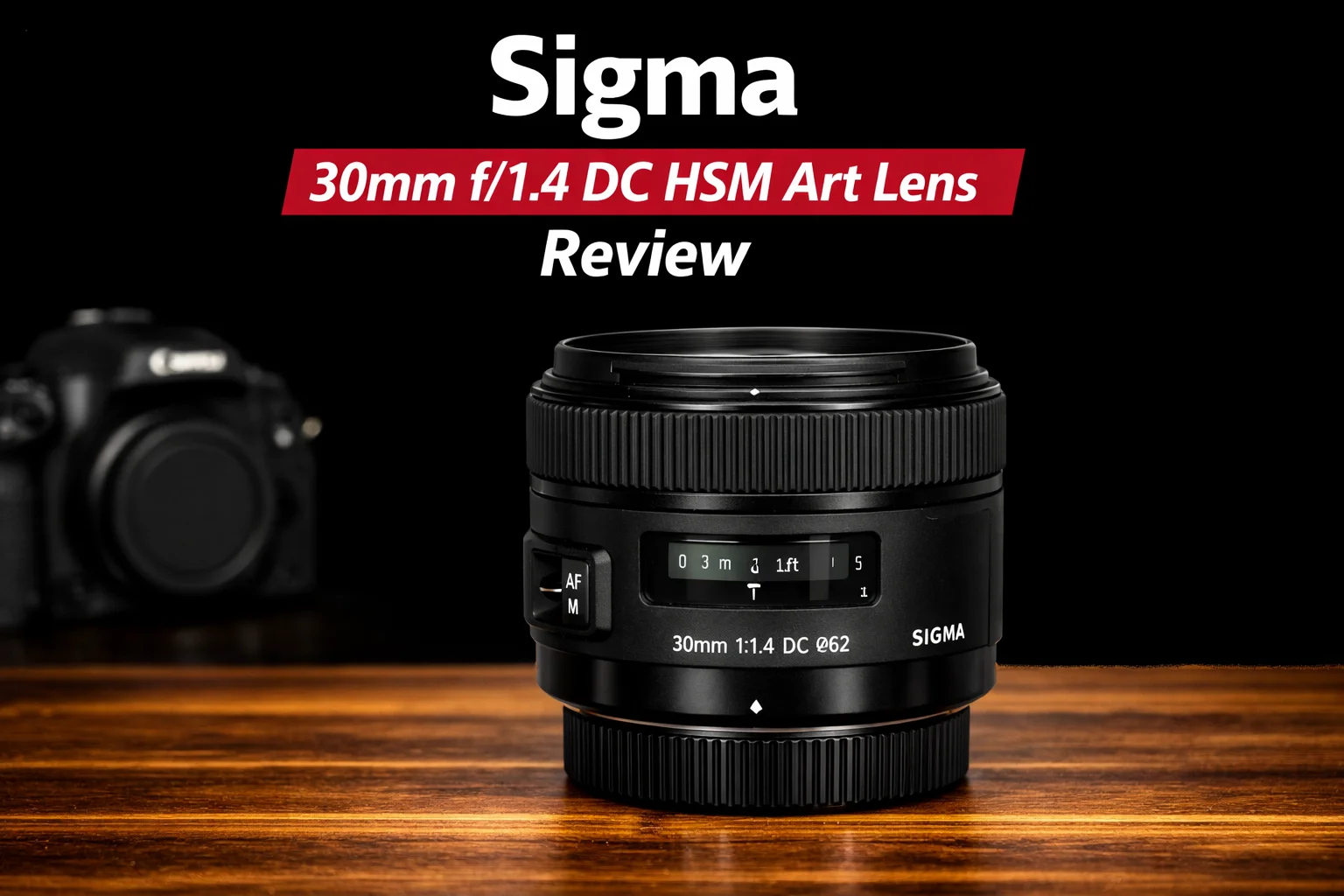
When it comes to prime lenses for APS-C cameras, the Sigma 30mm f/1.4 DC HSM Art has consistently been a top contender for photographers seeking exceptional image quality and a fast aperture. This lens is designed to deliver stunning results, especially in challenging lighting conditions, and offers a versatile focal length that mimics a ‘normal’ field of view on crop sensor bodies. If you’re an enthusiast photographer looking to elevate your craft in 2026, understanding the capabilities of the Sigma 30mm f/1.4 DC HSM Art is crucial.
Key Takeaways
- Sigma 30mm f/1.4 DC HSM Art: Is this prime lens the best for enthusiast photographers in 2026? Discover its sharpness, bokeh, and value.
- focal_length: 30mm
- aperture: f/1.4
- mount: Specify Mount
Quick Answer
This lens is a fantastic choice for enthusiasts seeking superior image quality and bokeh. It offers exceptional sharpness at f/1.4, making it ideal for low light, though autofocus can be a bit slow for fast action.
Sharpness and Image Quality
The Sigma 30mm f/1.4 DC HSM Art is renowned for its impressive sharpness, even when shooting wide open at f/1.4. Images are crisp with excellent detail rendition. Stopping down slightly to f/2 or f/2.8 further enhances edge-to-edge sharpness. Chromatic aberration is well-controlled, and distortion is minimal, which is a testament to Sigma’s Art line quality.
Bokeh and Subject Isolation
The f/1.4 maximum aperture is where this lens truly shines. It allows for beautiful background blur (bokeh), effectively isolating your subject from the background. This is perfect for portraits, street photography, and any situation where you want to draw attention to your main subject. The bokeh is generally smooth and pleasing, with pleasing circular highlights.
Build Quality and Handling
Sigma’s Art line lenses are built to a high standard, and the 30mm f/1.4 is no exception. It features a robust construction with a metal barrel that feels premium in hand. The focus ring is smooth and well-dampened, offering precise manual focus control. While it lacks in-lens stabilization, this is typical for wide-aperture primes and is compensated for by the fast aperture.
Autofocus Performance
The HSM (Hyper Sonic Motor) ensures quiet and relatively fast autofocus. However, in very low light or with rapidly moving subjects, the autofocus can sometimes hunt or be slightly slower compared to newer lens designs or camera bodies. For static subjects and general photography, it performs admirably.
Who Should Buy the Sigma 30mm f/1.4 DC HSM Art?
This lens is an excellent option for:
- Enthusiast photographers looking for a versatile prime lens for APS-C cameras.
- Portrait photographers who desire creamy bokeh and subject isolation.
- Street photographers needing a sharp, fast lens for various lighting conditions.
- Anyone seeking to achieve a shallow depth of field for creative effects.
- Photographers who prioritize optical quality and build over built-in stabilization.
Key Specifications
| Specification | Detail |
|---|---|
| Focal Length | 30mm (45mm equivalent on APS-C) |
| Maximum Aperture | f/1.4 |
| Lens Mount | (Specify mount, e.g., Canon EF-S, Nikon F, Sigma SA, Sony E) |
| Minimum Focus Distance | 30cm (11.8 in) |
| Filter Size | 62mm |
| Weight | Approx. 435g (15.3 oz) |
| Autofocus Motor | HSM (Hyper Sonic Motor) |
Pros and Cons
Pros
- Exceptional sharpness, especially at f/1.4
- Beautiful, creamy bokeh for subject isolation
- Excellent build quality and premium feel
- Versatile 45mm equivalent focal length for APS-C
- Great value for its optical performance
Cons
- Autofocus can be slow in very low light or for fast action
- No in-lens optical stabilization
- Can exhibit some vignetting and focus breathing at f/1.4
Alternatives to Consider
While the Sigma 30mm f/1.4 DC HSM Art is a strong performer, other lenses might suit different needs:
- Sigma 35mm f/1.4 DG HSM Art: For full-frame shooters, offering a slightly wider perspective and often better edge-to-edge performance, but at a higher price and size.
- Canon EF-S 35mm f/2.8 Macro IS STM: For Canon users, offering macro capabilities and image stabilization, but with a slower aperture.
- Nikon AF-S DX NIKKOR 35mm f/1.8G: For Nikon users, a more budget-friendly option with good performance, though not quite reaching the f/1.4 performance.
Conclusion
The Sigma 30mm f/1.4 DC HSM Art remains a compelling choice for APS-C photographers in 2026. Its outstanding optical quality, particularly its sharpness and ability to produce beautiful bokeh, makes it a standout lens for portraits, low-light photography, and general creative use. While its autofocus might not be the fastest for action, its overall performance, build, and value proposition solidify its place as a must-have for many enthusiast photographers.
Frequently Asked Questions
Is sigma 30mm f/1.4 dc hsm art worth it?
Sigma 30mm F/1.4 Dc Hsm Art is worth considering when you need dependable performance for your specific workflow and budget. The right pick depends on measurable specs, usability, and long-term value instead of marketing claims alone.
Content Freshness
Last updated: May 21, 2026. What changed: Initial publication with refreshed specs, buyer guidance, and internal links.
Editorial & Affiliate Disclosure
This article may contain affiliate links. We may earn a commission at no extra cost to you. Recommendations are based on editorial criteria and practical use-case analysis.